
Spicy Nigerian Chicken Stew Flavorful and Simple Recipe

WANT TO SAVE THIS RECIPE?

Are you ready to experience the bold flavors of Nigerian cuisine? This Spicy Nigerian Chicken Stew is not only packed with heartwarming ingredients, but it’s also simple to make. You’ll learn how to blend chicken, tomatoes, and vibrant spices into a savory stew that will make your taste buds dance. Dive in as I share my easy step-by-step recipe, tips for the perfect heat, and ways to customize this dish for everyone at your table!

Why I Love This Recipe

  1. Authentic Flavors: This stew beautifully captures the essence of Nigerian cuisine, packed with bold spices and fresh ingredients.
  2. Versatile Dish: Perfectly pairs with rice, plantains, or even bread, making it a great option for any meal.
  3. Easy to Prepare: With straightforward steps, this recipe is accessible for cooks of all skill levels.
  4. Customizable Heat: You can adjust the spice level with Scotch bonnet peppers to suit your taste preferences.

Ingredients

Main Ingredients Required

– 1 kg chicken, cut into pieces

– 4 large tomatoes, blended

– 2 red bell peppers, blended

– 1 onion, finely chopped

– 4 cloves garlic, minced

– 1 tablespoon ginger, minced

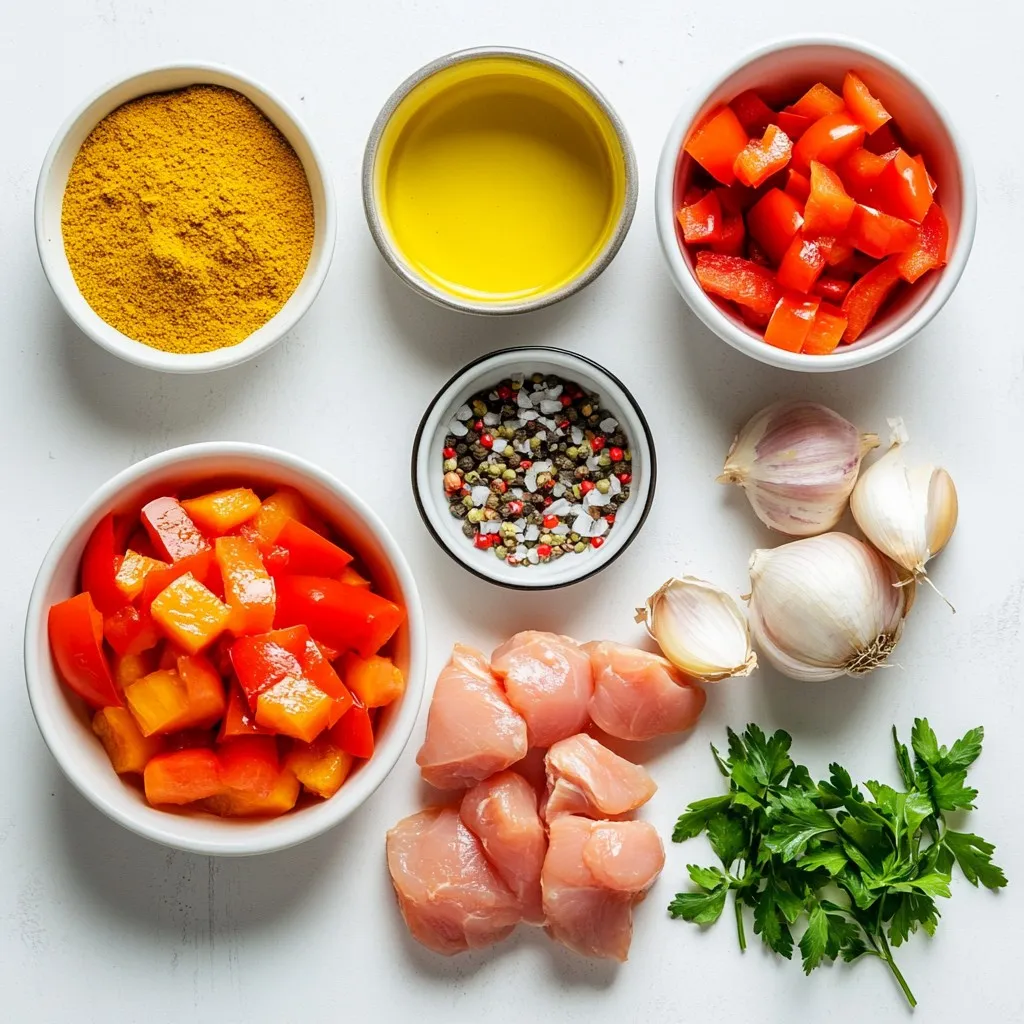
For this stew, chicken forms the heart of the dish. The tomatoes and bell peppers bring a rich, vibrant color and flavor. Aromatics like onion, garlic, and ginger create a strong base. Together, these ingredients make a delicious mix.

Spices and Seasonings

– 1 tablespoon curry powder

– 1 tablespoon thyme

– 2-3 Scotch bonnet peppers (to taste), blended

Spices are key to a great stew. Curry powder adds warmth, while thyme gives depth. Scotch bonnet peppers bring heat and flavor. Adjust the amount based on your spice preference.

Cooking Oil and Broth

– 3 tablespoons palm oil (or vegetable oil)

– 2 cups chicken broth

– Fresh parsley or cilantro, for garnish

Oil is crucial for cooking the base. I recommend palm oil for its unique taste. Chicken broth adds richness and flavor. Garnishing with parsley or cilantro brightens the dish and adds freshness.
Step-by-Step Instructions

Preparation

Heating Oil

Start by heating palm oil in a large pot. Use medium heat until the oil is hot but not smoking. This takes about two to three minutes. The right temperature helps build flavor.

Sautéing Aromatics

Add the finely chopped onion to the hot oil. Sauté the onions until they turn translucent, around five minutes. This step adds a nice base flavor. Next, stir in minced garlic and ginger for two minutes. This will create a lovely aroma that fills your kitchen.

Cooking the Base

Adding Blended Tomatoes

Pour in the blended tomatoes and red bell peppers. Add the blended Scotch bonnet peppers too. Stir everything together well. Let the mixture cook for about 10-15 minutes. Stir occasionally to prevent sticking. This helps the sauce reduce and thicken.

Reducing the Sauce

The sauce should become rich and vibrant. Keep cooking until it looks thicker. This process concentrates the flavors, making the stew more delicious.

Adding Chicken

Seasoning the Chicken

Now, add the chicken pieces into the pot. Season with salt, pepper, curry powder, and thyme. Mix well to coat each piece with the sauce. This ensures every bite is flavorful.

Simmering the Stew

Pour in the chicken broth, making sure the chicken is mostly submerged. Bring the stew to a gentle boil. Then, turn the heat to low and cover the pot. Let it simmer for 30-40 minutes, stirring occasionally. This allows the chicken to cook thoroughly and become tender. Taste the stew before serving. Adjust the seasoning if needed. If you prefer more heat, add extra Scotch bonnet pepper.

Tips & Tricks

Achieving the Perfect Flavor

How to Adjust Spiciness

You can change the heat by adding more or less Scotch bonnet peppers. If you want it spicy, blend in more peppers. For a milder taste, use fewer. Always taste as you cook. This way, you can find the right balance that suits your taste.

Importance of Reducing Sauce

Reducing the sauce is key to getting rich flavors. When you cook the blended tomatoes and peppers, let them simmer until thick. This helps the spices mix well and gives depth to the stew. A thick sauce also clings better to the chicken.

Cooking Time Adjustments

For Different Chicken Cuts

Cooking time may vary with different cuts of chicken. If you use boneless pieces, they cook faster. Bone-in pieces take longer and add flavor. Always check if the chicken is tender before serving.

Simmering Tips for Flavor

Let your stew simmer gently. This helps all the flavors blend. A longer simmer can make the chicken juicy and tender. Stir occasionally to avoid sticking. Keep the lid on to trap steam and moisture.

Presentation Suggestions

Serving with Rice or Plantains

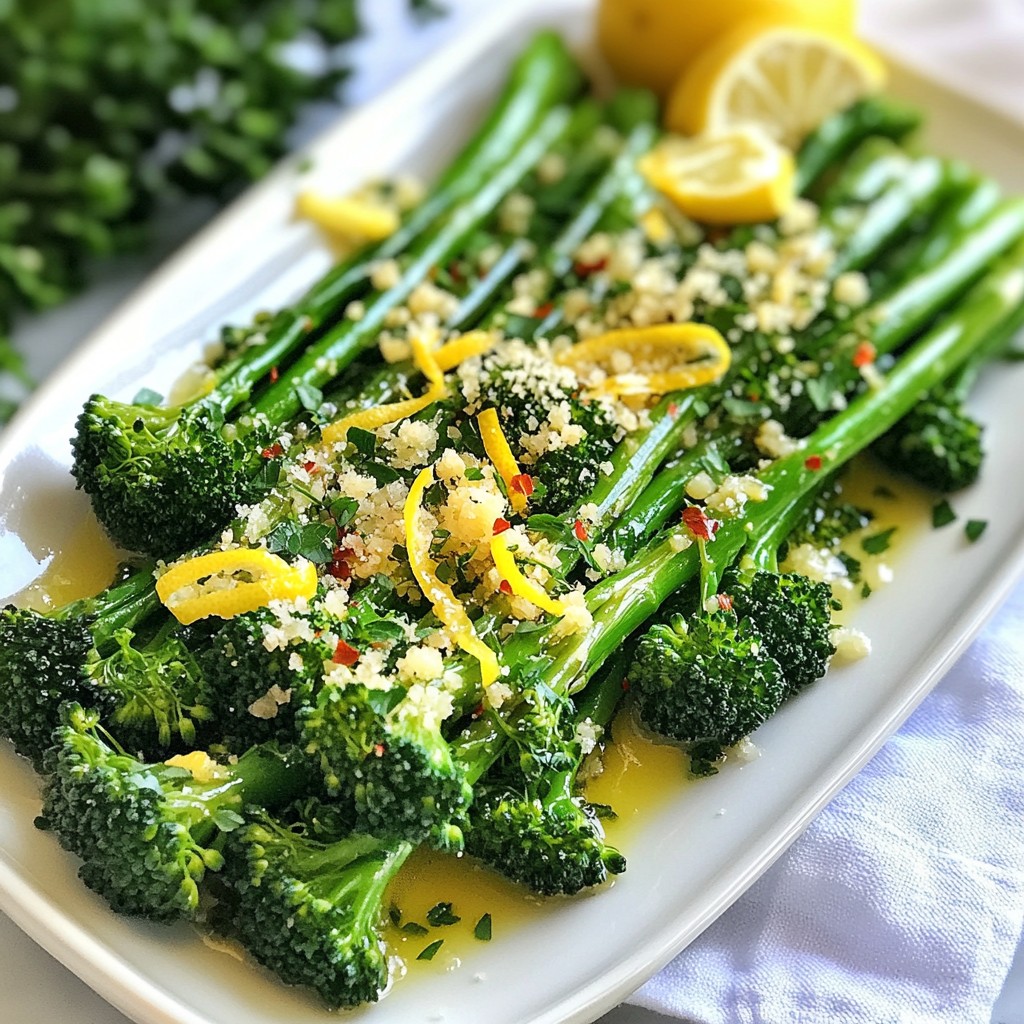
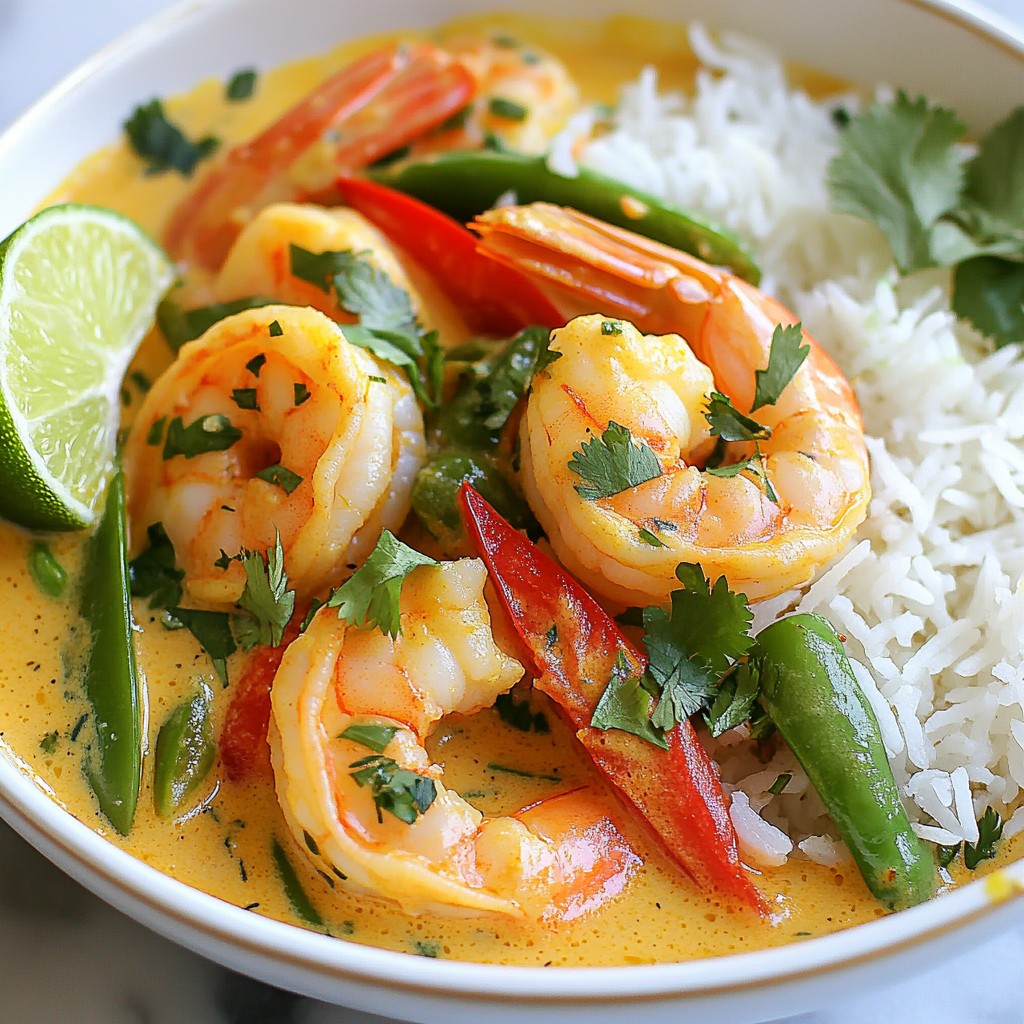
Serve your spicy Nigerian chicken stew with a side of jasmine rice or fried plantains. Both options soak up the sauce well. The sweet taste of plantains balances the spice.

Garnishing for Aesthetic Appeal

Add fresh chopped parsley or cilantro on top before serving. This adds color and freshness. A simple garnish enhances the look and taste. It makes your dish inviting and brightens the plate.

Pro Tips

  1. Use Fresh Ingredients: Always opt for fresh chicken and vegetables to enhance the flavor of your stew.
  2. Adjust the Spice Level: The Scotch bonnet peppers can be quite spicy; start with one and gradually add more to reach your desired heat level.
  3. Let It Simmer: Allowing the stew to simmer longer develops deeper flavors, so don’t rush this step!
  4. Perfect Pairings: This stew pairs beautifully with rice or fried plantains, making for a comforting meal.

Variations

Alternative Proteins

You can switch the chicken for fish or goat. Fish works well with the stew’s bold flavors. Choose firm fish, like snapper or tilapia. Simply follow the same steps. Cook fish for less time to avoid overcooking.

For goat, use tender cuts. Goat gives a rich taste that many love. Cook it longer to make it tender.

If you want a vegetarian option, try using mushrooms or chickpeas. They absorb flavors well and add a nice texture. You can also use tofu for a protein boost.

Different Heat Levels

You can make a mild version of this stew. Reduce the number of Scotch bonnet peppers. Start with just one or even half. This way, you keep the flavor without too much heat.

To adjust spiciness, use sweet bell peppers. They add flavor without burning your tongue. You can also mix in a bit of coconut milk for creaminess. It cools down the heat and adds depth.

Regional Versions

In Nigeria, each region has its twist on chicken stew. In the North, you might find a peanut-based sauce. This adds a nutty flavor that is rich and satisfying.

In the South, they often add more tomatoes and bell peppers. This makes the stew sweeter and more colorful.

Other African cuisines also influence this dish. West African stews might include ground nuts or different spices. This adds unique flavors and textures you may enjoy.

Storage Info

Best Storage Practices

Refrigeration Tips

After cooking, let the stew cool to room temperature. This helps keep its taste and texture. Store it in an airtight container. Place it in the fridge. It will stay fresh and tasty for about three to four days.

Freezing Instructions

For longer storage, freeze the stew. Use a freezer-safe container or bag. Leave some space for expansion. The stew will keep well for about three months. When ready to eat, let it thaw in the fridge overnight.

Reheating Tips

Microwave vs. Stovetop

You can reheat the stew in a microwave. Use a microwave-safe bowl and cover it. Heat in short bursts, stirring in between. For stovetop reheating, use a pot over low heat. Stir often to prevent sticking.

Maintaining Flavor and Texture

Add a splash of chicken broth while reheating. This keeps the stew moist. Taste it and adjust the seasoning if needed. This way, you preserve the bold flavors and rich texture.

Shelf Life

Duration in Refrigerator

The stew lasts about three to four days in the fridge. Make sure to store it properly to keep it fresh.

Signs of Spoilage

Check for any off smells or changes in color. If it smells sour or looks fuzzy, it’s best to throw it out. Always trust your senses when checking food freshness.

FAQs

Common Questions about Spicy Nigerian Chicken Stew

What spices are essential for authentic flavor?

To get the right taste, use curry powder and thyme. These spices give depth. Don’t forget the Scotch bonnet peppers for that signature heat. They add a spicy kick that defines this dish.

How can I make it less spicy for kids?

To make it milder, skip the Scotch bonnet peppers. You can use less hot peppers or bell peppers instead. This keeps the flavor without the heat, making it kid-friendly.

Cooking and Serving Queries

Can I use frozen chicken?

Yes, you can use frozen chicken. Just make sure to thaw it first. This helps it cook evenly. If you start with frozen chicken, it may take longer to cook.

What sides pair well with Nigerian Chicken Stew?

Nigerian Chicken Stew goes well with jasmine rice or fried plantains. You can also serve it with yam or couscous. These sides soak up the sauce and balance the meal.

Recipe Customization

Can I make it ahead of time?

Yes, you can prepare this stew ahead of time. It tastes even better the next day as the flavors meld. Just store it in the fridge and reheat when ready.

How to incorporate more vegetables?

To add more veggies, try carrots, bell peppers, or spinach. Chop them up and add them during cooking. This not only boosts nutrition but also adds color to your stew.

You now have all the key ingredients and steps to make a delicious Nigerian chicken stew. Remember to adjust the spices to suit your taste. Try different proteins or regional variations to keep things exciting. Store leftovers properly to enjoy later. This stew can easily become a family favorite. With simple tips and creative twists, you can make it uniquely yours. Enjoy your cooking adventure and savor every bit
- 1 kg chicken, cut into pieces - 4 large tomatoes, blended - 2 red bell peppers, blended - 1 onion, finely chopped - 4 cloves garlic, minced - 1 tablespoon ginger, minced For this stew, chicken forms the heart of the dish. The tomatoes and bell peppers bring a rich, vibrant color and flavor. Aromatics like onion, garlic, and ginger create a strong base. Together, these ingredients make a delicious mix. - 1 tablespoon curry powder - 1 tablespoon thyme - 2-3 Scotch bonnet peppers (to taste), blended Spices are key to a great stew. Curry powder adds warmth, while thyme gives depth. Scotch bonnet peppers bring heat and flavor. Adjust the amount based on your spice preference. - 3 tablespoons palm oil (or vegetable oil) - 2 cups chicken broth - Fresh parsley or cilantro, for garnish Oil is crucial for cooking the base. I recommend palm oil for its unique taste. Chicken broth adds richness and flavor. Garnishing with parsley or cilantro brightens the dish and adds freshness. {{ingredient_image_1}} Start by heating palm oil in a large pot. Use medium heat until the oil is hot but not smoking. This takes about two to three minutes. The right temperature helps build flavor. Add the finely chopped onion to the hot oil. Sauté the onions until they turn translucent, around five minutes. This step adds a nice base flavor. Next, stir in minced garlic and ginger for two minutes. This will create a lovely aroma that fills your kitchen. Pour in the blended tomatoes and red bell peppers. Add the blended Scotch bonnet peppers too. Stir everything together well. Let the mixture cook for about 10-15 minutes. Stir occasionally to prevent sticking. This helps the sauce reduce and thicken. The sauce should become rich and vibrant. Keep cooking until it looks thicker. This process concentrates the flavors, making the stew more delicious. Now, add the chicken pieces into the pot. Season with salt, pepper, curry powder, and thyme. Mix well to coat each piece with the sauce. This ensures every bite is flavorful. Pour in the chicken broth, making sure the chicken is mostly submerged. Bring the stew to a gentle boil. Then, turn the heat to low and cover the pot. Let it simmer for 30-40 minutes, stirring occasionally. This allows the chicken to cook thoroughly and become tender. Taste the stew before serving. Adjust the seasoning if needed. If you prefer more heat, add extra Scotch bonnet pepper. How to Adjust Spiciness You can change the heat by adding more or less Scotch bonnet peppers. If you want it spicy, blend in more peppers. For a milder taste, use fewer. Always taste as you cook. This way, you can find the right balance that suits your taste. Importance of Reducing Sauce Reducing the sauce is key to getting rich flavors. When you cook the blended tomatoes and peppers, let them simmer until thick. This helps the spices mix well and gives depth to the stew. A thick sauce also clings better to the chicken. For Different Chicken Cuts Cooking time may vary with different cuts of chicken. If you use boneless pieces, they cook faster. Bone-in pieces take longer and add flavor. Always check if the chicken is tender before serving. Simmering Tips for Flavor Let your stew simmer gently. This helps all the flavors blend. A longer simmer can make the chicken juicy and tender. Stir occasionally to avoid sticking. Keep the lid on to trap steam and moisture. Serving with Rice or Plantains Serve your spicy Nigerian chicken stew with a side of jasmine rice or fried plantains. Both options soak up the sauce well. The sweet taste of plantains balances the spice. Garnishing for Aesthetic Appeal Add fresh chopped parsley or cilantro on top before serving. This adds color and freshness. A simple garnish enhances the look and taste. It makes your dish inviting and brightens the plate. Pro Tips Use Fresh Ingredients: Always opt for fresh chicken and vegetables to enhance the flavor of your stew. Adjust the Spice Level: The Scotch bonnet peppers can be quite spicy; start with one and gradually add more to reach your desired heat level. Let It Simmer: Allowing the stew to simmer longer develops deeper flavors, so don't rush this step! Perfect Pairings: This stew pairs beautifully with rice or fried plantains, making for a comforting meal. {{image_2}} You can switch the chicken for fish or goat. Fish works well with the stew's bold flavors. Choose firm fish, like snapper or tilapia. Simply follow the same steps. Cook fish for less time to avoid overcooking. For goat, use tender cuts. Goat gives a rich taste that many love. Cook it longer to make it tender. If you want a vegetarian option, try using mushrooms or chickpeas. They absorb flavors well and add a nice texture. You can also use tofu for a protein boost. You can make a mild version of this stew. Reduce the number of Scotch bonnet peppers. Start with just one or even half. This way, you keep the flavor without too much heat. To adjust spiciness, use sweet bell peppers. They add flavor without burning your tongue. You can also mix in a bit of coconut milk for creaminess. It cools down the heat and adds depth. In Nigeria, each region has its twist on chicken stew. In the North, you might find a peanut-based sauce. This adds a nutty flavor that is rich and satisfying. In the South, they often add more tomatoes and bell peppers. This makes the stew sweeter and more colorful. Other African cuisines also influence this dish. West African stews might include ground nuts or different spices. This adds unique flavors and textures you may enjoy. Refrigeration Tips After cooking, let the stew cool to room temperature. This helps keep its taste and texture. Store it in an airtight container. Place it in the fridge. It will stay fresh and tasty for about three to four days. Freezing Instructions For longer storage, freeze the stew. Use a freezer-safe container or bag. Leave some space for expansion. The stew will keep well for about three months. When ready to eat, let it thaw in the fridge overnight. Microwave vs. Stovetop You can reheat the stew in a microwave. Use a microwave-safe bowl and cover it. Heat in short bursts, stirring in between. For stovetop reheating, use a pot over low heat. Stir often to prevent sticking. Maintaining Flavor and Texture Add a splash of chicken broth while reheating. This keeps the stew moist. Taste it and adjust the seasoning if needed. This way, you preserve the bold flavors and rich texture. Duration in Refrigerator The stew lasts about three to four days in the fridge. Make sure to store it properly to keep it fresh. Signs of Spoilage Check for any off smells or changes in color. If it smells sour or looks fuzzy, it’s best to throw it out. Always trust your senses when checking food freshness. What spices are essential for authentic flavor? To get the right taste, use curry powder and thyme. These spices give depth. Don't forget the Scotch bonnet peppers for that signature heat. They add a spicy kick that defines this dish. How can I make it less spicy for kids? To make it milder, skip the Scotch bonnet peppers. You can use less hot peppers or bell peppers instead. This keeps the flavor without the heat, making it kid-friendly. Can I use frozen chicken? Yes, you can use frozen chicken. Just make sure to thaw it first. This helps it cook evenly. If you start with frozen chicken, it may take longer to cook. What sides pair well with Nigerian Chicken Stew? Nigerian Chicken Stew goes well with jasmine rice or fried plantains. You can also serve it with yam or couscous. These sides soak up the sauce and balance the meal. Can I make it ahead of time? Yes, you can prepare this stew ahead of time. It tastes even better the next day as the flavors meld. Just store it in the fridge and reheat when ready. How to incorporate more vegetables? To add more veggies, try carrots, bell peppers, or spinach. Chop them up and add them during cooking. This not only boosts nutrition but also adds color to your stew. You now have all the key ingredients and steps to make a delicious Nigerian chicken stew. Remember to adjust the spices to suit your taste. Try different proteins or regional variations to keep things exciting. Store leftovers properly to enjoy later. This stew can easily become a family favorite. With simple tips and creative twists, you can make it uniquely yours. Enjoy your cooking adventure and savor every bite.

Spicy Nigerian Chicken Stew

A flavorful and spicy chicken stew from Nigeria, perfect for serving with rice or plantains.
Prep Time 15 minutes
Cook Time 45 minutes
Total Time 1 hour
Course Main Course
Cuisine Nigerian
Servings 6
Calories 400 kcal

Ingredients
  

  • 1 kg chicken, cut into pieces
  • 4 large tomatoes, blended
  • 2 red bell peppers blended
  • 1 onion finely chopped
  • 4 cloves garlic, minced
  • 1 tablespoon ginger, minced
  • 3 tablespoons palm oil (or vegetable oil)
  • 2 to 3 Scotch bonnet peppers (to taste), blended
  • 2 cups chicken broth
  • 1 tablespoon curry powder
  • 1 tablespoon thyme
  • to taste salt and pepper
  • for garnish fresh parsley or cilantro

Instructions
 

  • Heat palm oil in a large pot over medium heat until it’s hot but not smoking.
  • Add the chopped onions and sauté until they turn translucent, about 5 minutes.
  • Stir in the minced garlic and ginger, cooking for an additional 2 minutes until fragrant.
  • Pour in the blended tomatoes and red bell peppers, followed by the Scotch bonnet peppers. Cook for about 10-15 minutes, stirring occasionally, until the sauce reduces and thickens.
  • Add the chicken pieces to the pot, seasoning with salt, pepper, curry powder, and thyme. Stir well to coat the chicken in the sauce.
  • Pour in the chicken broth, ensuring the chicken is submerged. Bring the stew to a gentle boil, then reduce the heat to low, cover, and let simmer for 30-40 minutes until the chicken is cooked through and tender, stirring occasionally.
  • Taste and adjust seasoning if necessary. If you like it spicier, add more Scotch bonnet pepper.
  • Once done, remove from heat and garnish with fresh parsley or cilantro before serving.

Notes

Serve with steamed jasmine rice or fried plantains. Garnish with fresh herbs for added flavor.
Keyword chicken stew, Nigerian cuisine, spicy stew

WANT TO SAVE THIS RECIPE?

Leave a Comment

Recipe Rating