WANT TO SAVE THIS RECIPE?
If you love comfort food, Scottish Tattie Scones are a must-try! This easy recipe guide will help you make these fluffy delights at home. With simple ingredients like russet potatoes and all-purpose flour, you’ll create a warm, savory treat. Whether you enjoy them for breakfast or a snack, mastering Tattie Scones will impress your friends and family. Let’s dive into this tasty journey together!
Why I Love This Recipe
- Comforting Flavor: These scones offer a deliciously comforting taste, perfect for cozy breakfasts or as a side with soups.
- Quick and Easy: With just a few simple ingredients, you can whip these up in no time, making them a great choice for busy mornings.
- Customizable: Feel free to add herbs or spices to suit your taste; chives provide a lovely flavor boost!
- Golden Perfection: The crispy exterior and soft interior make these scones not only tasty but also visually appealing.
Ingredients
Key Ingredients for Scottish Tattie Scones
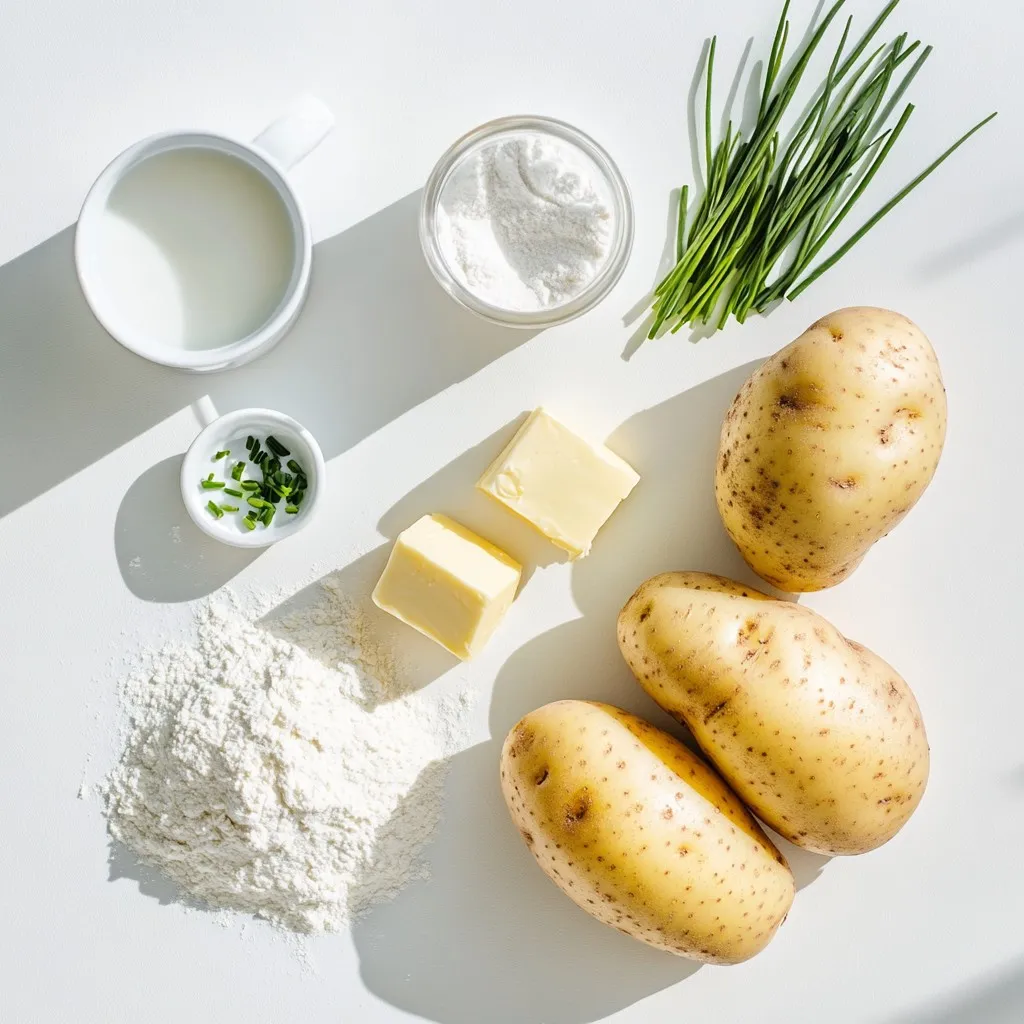
– Potatoes: Use large russet potatoes. They are starchy and create a light texture. The starch helps the scones hold together while staying fluffy.
– Flour: Choose all-purpose flour for the best results. It gives the scones structure without being too heavy. The right flour balances the moisture from the potatoes.
– Seasoning: Salt and baking powder are vital. Salt enhances flavor, while baking powder helps the scones rise. This combination provides the perfect taste and texture.
– Butter: Use unsalted butter. It lets you control the saltiness of your scones. Softened butter mixes easily into the dough, making it rich and tender.
– Optional Additions: Fresh chives add a mild onion flavor. They brighten the taste and provide a lovely color. If you like, fold them into the dough for extra flair.

Step-by-Step Instructions
Preparing the Potatoes
– Boiling and draining: First, peel and chop two large russet potatoes. Place them in a pot with salted water. Boil them for 15-20 minutes until they are fork-tender. This means a fork should slide in easily. After boiling, drain the potatoes well.
– Cooling and mashing: Let the potatoes cool slightly after draining. Once they are cool enough to handle, mash them until smooth. Make sure there are no lumps. Let the mashed potatoes cool completely before using them in the dough.
Making the Dough
– Combining ingredients: In a mixing bowl, combine the cooled mashed potatoes with one cup of all-purpose flour, one teaspoon of baking powder, and half a teaspoon of salt. Add two tablespoons of softened unsalted butter to the mix. Stir until a dough starts to form.
– Kneading the dough: Sprinkle some flour on a clean surface. Lightly knead the dough for one to two minutes. You want it to come together but remain soft. Avoid over-kneading, as this can make the scones tough.
Cooking the Scones
– Rolling and cutting: Roll the dough out to about half an inch thick. Use a cookie cutter or a glass to cut out round scones. Make sure they are of uniform thickness for even cooking.
– Cooking method: Heat a non-stick skillet or griddle over medium heat. Cook the scones for about five to six minutes on each side. You want them golden brown. Once cooked, remove the scones from the pan and let them cool on a wire rack for a few minutes before serving. Enjoy them warm!
Tips & Tricks
Achieving the Perfect Texture and Flavor
– Adjusting moisture levels: Use enough flour to keep the dough from being sticky. If your dough feels wet, add a little more flour, one tablespoon at a time. This helps form a nice scone without being too dry.
– Kneading: Knead the dough gently for only 1-2 minutes. Stop when the dough is smooth but still soft. Over-kneading makes the scones tough. You want a light, fluffy texture that melts in your mouth.
Common Mistakes to Avoid
– Overcooking vs. undercooking: Watch the scones closely while they cook. They should turn golden brown. If they are too dark, they may taste burnt. If they are too light, they may be doughy inside.
– Importance of letting mashed potatoes cool: Always let the mashed potatoes cool fully before mixing with other ingredients. If they are warm, they can melt the butter and change the dough’s texture. This step is key for perfect scones.
Pro Tips
- Use Starchy Potatoes: For the best texture, choose starchy potatoes like russets to create fluffy scones.
- Cool the Potatoes: Allow the mashed potatoes to cool completely before mixing with flour to prevent a sticky dough.
- Experiment with Flavors: Add herbs or spices to the dough for a unique twist; rosemary or garlic powder work well.
- Check Your Heat: Ensure your skillet is at the right temperature; too hot can burn the scones while they remain uncooked inside.
Variations
Flavor Additions
You can make your Scottish Tattie Scones even better by adding flavor.
– Herb variations: Fresh herbs can really elevate the taste. Try adding chopped rosemary or parsley. These herbs bring a lovely aroma and a touch of green to your scones.
– Cheese options: Cheese is a fantastic addition too. You can mix in shredded cheddar, feta, or even a creamy goat cheese. Each cheese adds its unique flavor and richness to the dough.
Serving Suggestions
Tattie Scones are so versatile. You can enjoy them in many tasty ways.
– Pairing options: These scones go great with soups. Try serving them with a warm bowl of tomato soup or a hearty vegetable stew. The scones will soak up the flavors beautifully.
– Breakfast ideas: For breakfast, you can serve Tattie Scones with eggs. Top them with a fried egg or some avocado. You can even spread a bit of butter or cream cheese for a quick and yummy meal.
Storage Info
Storing Tattie Scones
To keep your Tattie Scones fresh, store them in the fridge. Place them in an airtight container. This keeps moisture in and helps them stay soft. They will last about three days this way.
If you want to store them longer, consider freezing your scones. Wrap each scone tightly in plastic wrap, then place them in a freezer bag. This will help prevent freezer burn. They can stay frozen for up to three months.
To reheat frozen scones, take them out and let them thaw in the fridge overnight. Then, warm them in a skillet over low heat for about 5 minutes on each side. This warms them through and gives them a nice, soft texture.
Best Serving Temperature
For the best taste, serve Tattie Scones warm. After cooking, let them sit for a few minutes. This allows the flavors to settle. You can reheat them in a skillet or the oven.
To reheat in the oven, preheat it to 350°F. Place the scones on a baking sheet and warm them for about 10 minutes. This keeps them soft and tasty. Enjoy them warm with butter or your favorite topping!
FAQs
What is the origin of Scottish Tattie Scones?
Scottish Tattie Scones come from Scotland. They are a staple in Scottish cooking. Tattie means potato in Scots. These scones reflect Scotland’s love for potatoes. The dish has roots in rural areas. Farmers made them with simple, local ingredients. Tattie scones are often served at breakfast or with tea. They show how basic foods can be delicious and comforting.
Can I make Tattie Scones ahead of time?
Yes, you can make Tattie Scones ahead of time. Store them in an airtight container. They will stay fresh in the fridge for about three days. To reheat, place them in a skillet over medium heat. Cook for a few minutes on each side until warm. You can also microwave them for quick reheating. Just place them on a plate and cover with a damp paper towel.
What can I substitute for all-purpose flour?
If you need a flour substitute, try gluten-free flour blends. They work well in this recipe. Look for blends that include rice flour or almond flour. These options keep the scones light and tasty. You can also use oat flour for a different flavor. Test small batches to find your favorite mix.
In summary, we’ve explored the key ingredients, step-by-step instructions, and tips for making Scottish Tattie Scones. You learned about the importance of using russet potatoes, the right flour, and even optional flavor additions like fresh chives. I shared how to avoid common mistakes and suggested fun variations. Tattie Scones are versatile, easy to store, and perfect for many meals. With the right techniques, you can enjoy these tasty scones any time! Now, it’s your turn to give them a try. Enjoy your cookin
Scottish Tattie Scones
Delicious potato scones that are soft and fluffy, perfect for breakfast or as a side dish.
Prep Time 10 minutes mins
Cook Time 30 minutes mins
Total Time 40 minutes mins
Course Side Dish
Cuisine Scottish
Servings 4
Calories 150 kcal
- 2 large russet potatoes, peeled and chopped
- 1 cup all-purpose flour, plus extra for dusting
- 1 teaspoon baking powder
- ½ teaspoon salt
- 2 tablespoons unsalted butter, softened
- 1 tablespoon chopped fresh chives (optional)
- 1 tablespoon milk
Begin by boiling the peeled and chopped potatoes in salted water for about 15-20 minutes or until they are fork-tender. Drain and allow to cool slightly.
Once cooled, mash the potatoes until smooth and let them cool completely.
In a mixing bowl, combine the cooled mashed potatoes, flour, baking powder, and salt. Add the softened butter and mix well until a dough begins to form.
If using, fold in the fresh chives for an added touch of flavor.
Lightly knead the dough on a floured surface for 1-2 minutes until it comes together but remains soft.
Roll out the dough to about ½-inch thickness and cut into round scones using a cookie cutter or a glass.
Heat a non-stick skillet or griddle over medium heat. Cook the scones for about 5-6 minutes on each side, or until golden brown.
Once cooked, remove scones from the pan and let them rest on a wire rack for a few minutes before serving.
Serve warm with a dollop of butter and a sprinkle of extra chives on top.
Keyword breakfast, potato, scones, side dish
WANT TO SAVE THIS RECIPE?